El Cuyo
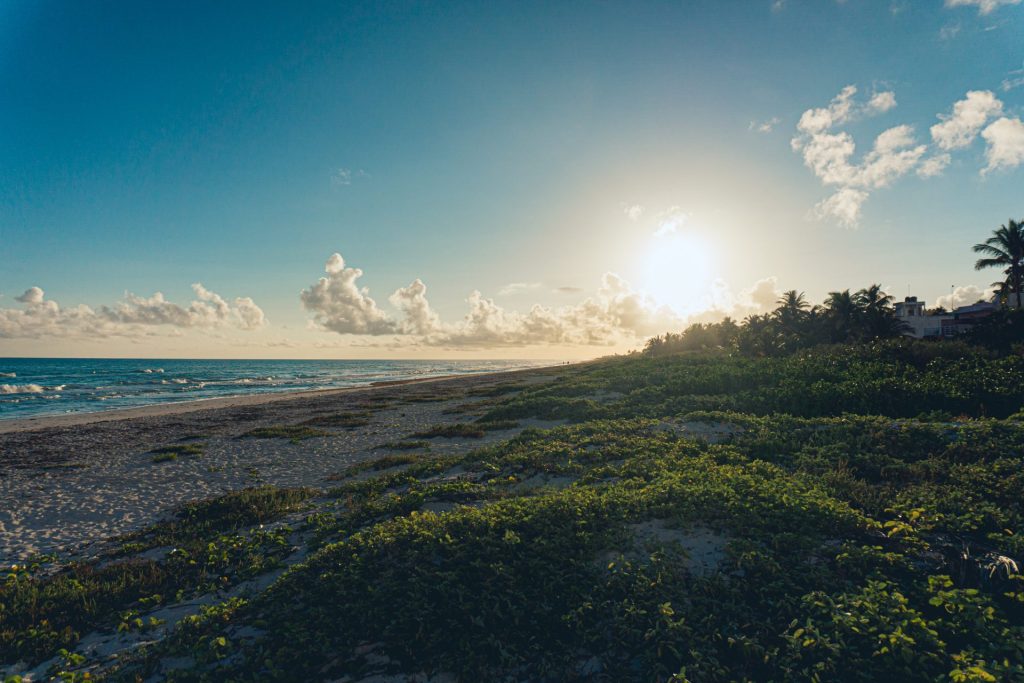
El Cuyo is a picturesque and rustic town, located on the northeast coast of the Yucatan Peninsula, bordering the Caribbean Sea and the Gulf of Mexico. The area is characterized by its hundreds of kilometers of white sands and turquoise waters, where sunsets and sunrises are authentic works of art.
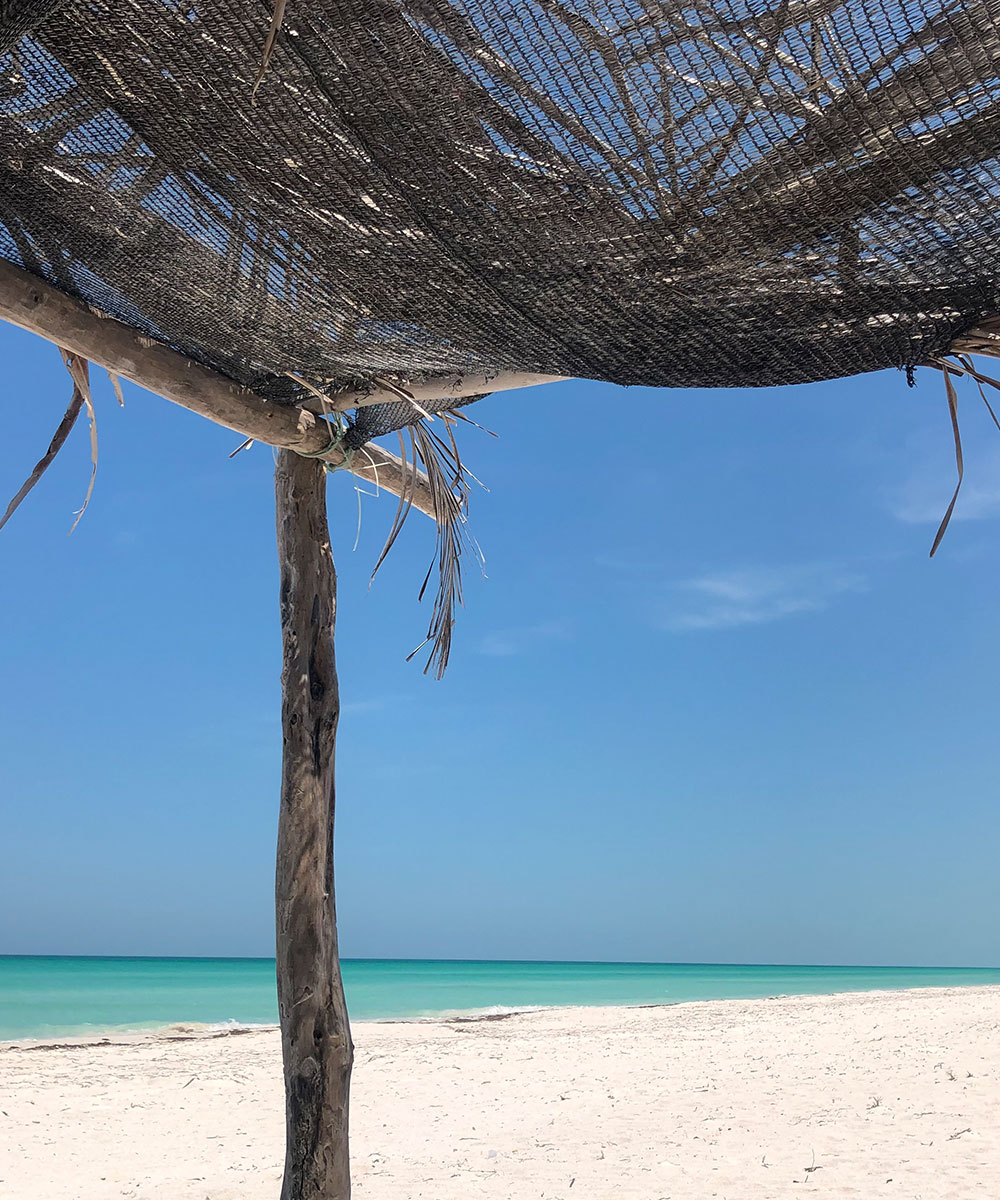
This charming village offers quiet streets, a relaxed atmosphere and a small, friendly community. Traditional architecture predominates in its colorful houses built of wood or concrete, with palapa-covered roofs. The warmth of its inhabitants is evident, as they are always ready to welcome those who arrive with open arms.
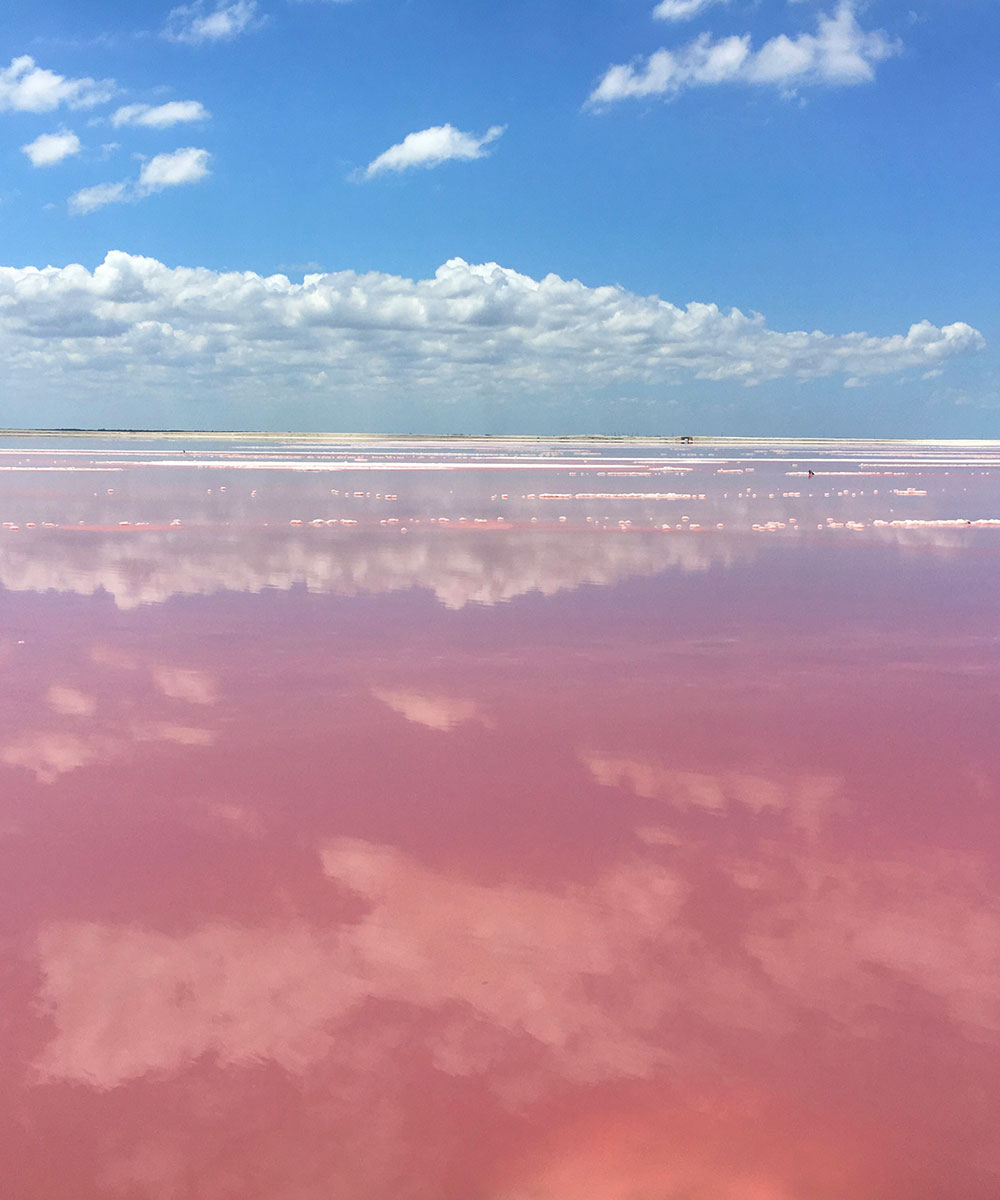

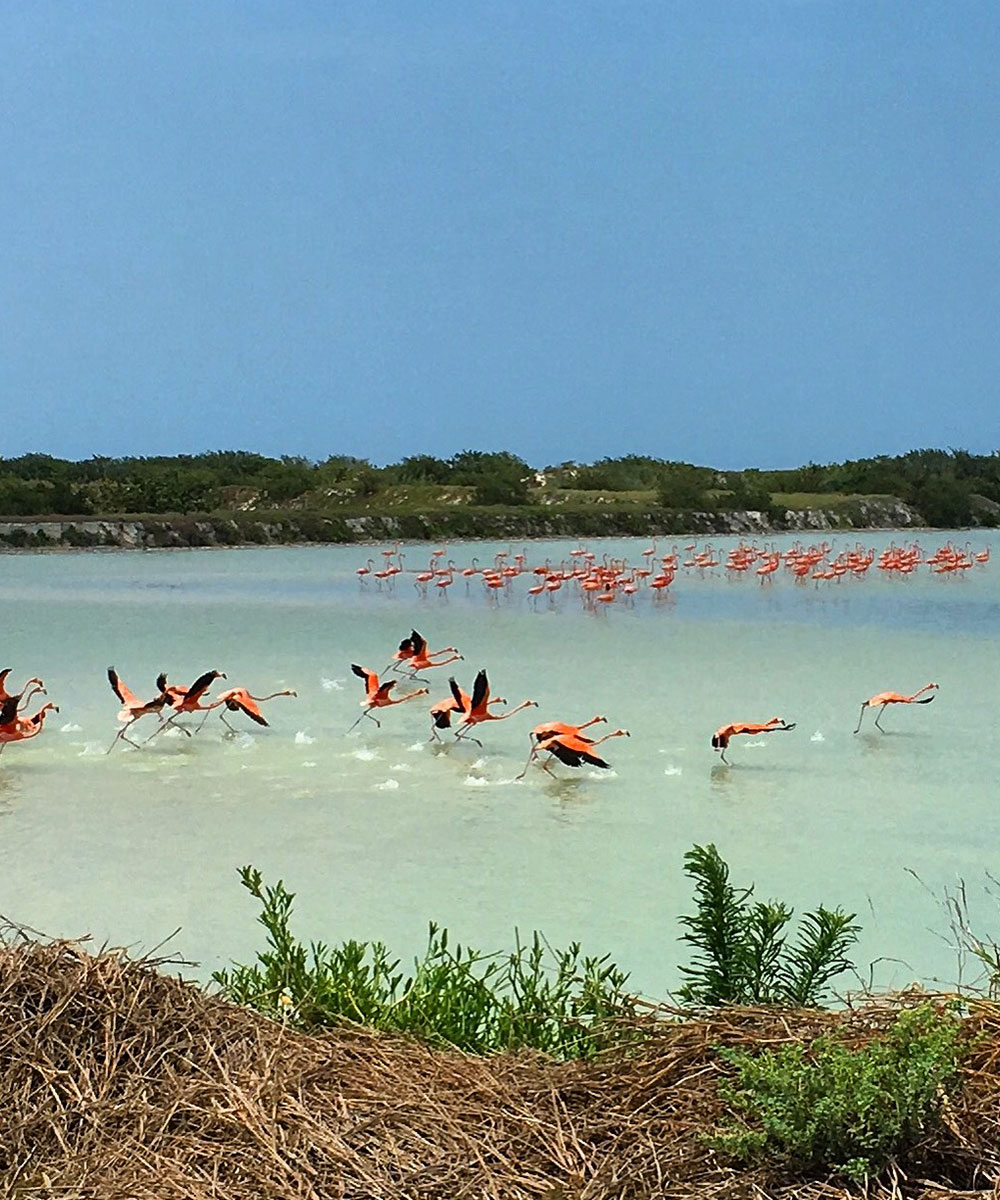

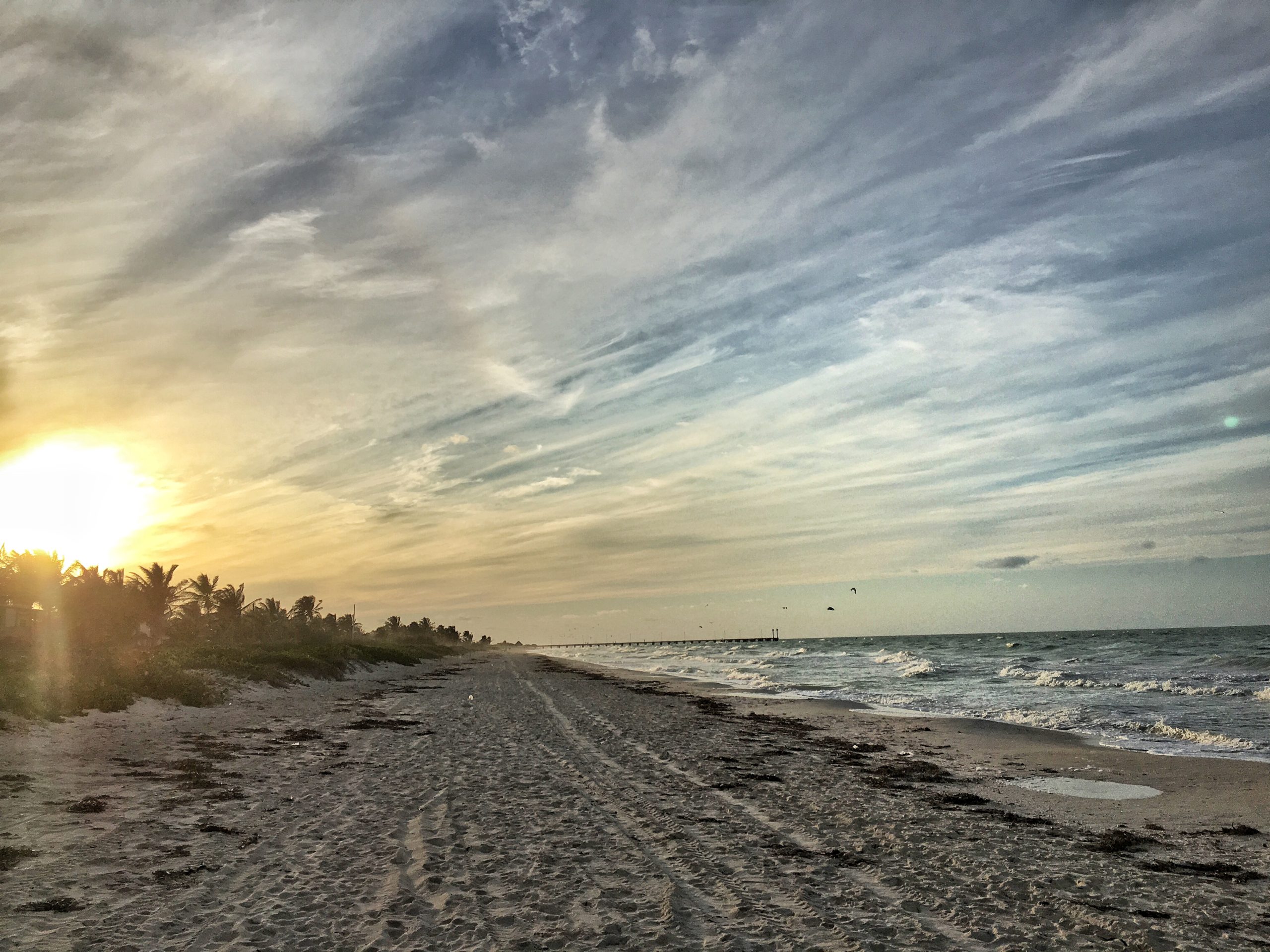
El Cuyo has numerous natural attractions, the Ría Lagartos Biosphere Reserve being one of the most outstanding. This protected reserve encompasses a wide variety of habitats, including mangroves, salt marshes, estuaries, beaches and coastal dunes. In this area, you can observe a diversity of migratory and resident birds, such as pink flamingos, pelicans, herons and many other species.
Mangroves play a crucial role in the coastal ecosystem, providing habitat and protection against erosion. The coastal sand dunes are another characteristic element of the landscape in El Cuyo, harboring vegetation adapted to the salinity and wind conditions, which are essential for coastal stability and erosion prevention.
The region surrounding El Cuyo is rich in biodiversity, with a wide variety of bird, reptile, mammal and plant species. In addition to the aforementioned birds, it is common to see species such as the cormorant, osprey and white ibis. Crocodiles and various species of fish and crustaceans can also be found in the reserve.
El Cuyo is an important site for the reproduction of sea turtles, with Protection and Conservation Centers called turtle camps since the early 1980s. The purpose of these camps is to protect the reproductive females and guarantee the success of their nesting on the beaches, safeguarding their nests. Five of the world’s seven species of sea turtles arrive on these coasts, with hawksbill and white turtles being the most common nesting species.
Dolphin watching is another distinctive attraction, with different species such as the bottlenose dolphin, the spotted dolphin and occasionally the mulatto dolphin. Each species has its own characteristics and behavior, which makes the sighting a unique experience. The optimal season for dolphin watching can vary, but is usually during the winter and spring months when water temperatures are warmer and weather conditions are generally more favorable. The conservation of these ecosystems is of great importance, and local authorities and environmental organizations work together to protect and preserve biodiversity in the region.
In addition to its natural attractions, El Cuyo offers activities such as kite surfing, paddle surfing and relaxing visits to the beach, which have been harmoniously integrated into the local community. Visitors usually come in search of tranquility and natural beauty. Another must-see landmark is the lighthouse, built during the colonial period on top of a Mayan temple, symbolizing power and territorial control.